Currently Empty: $ 0.00
0 Comments
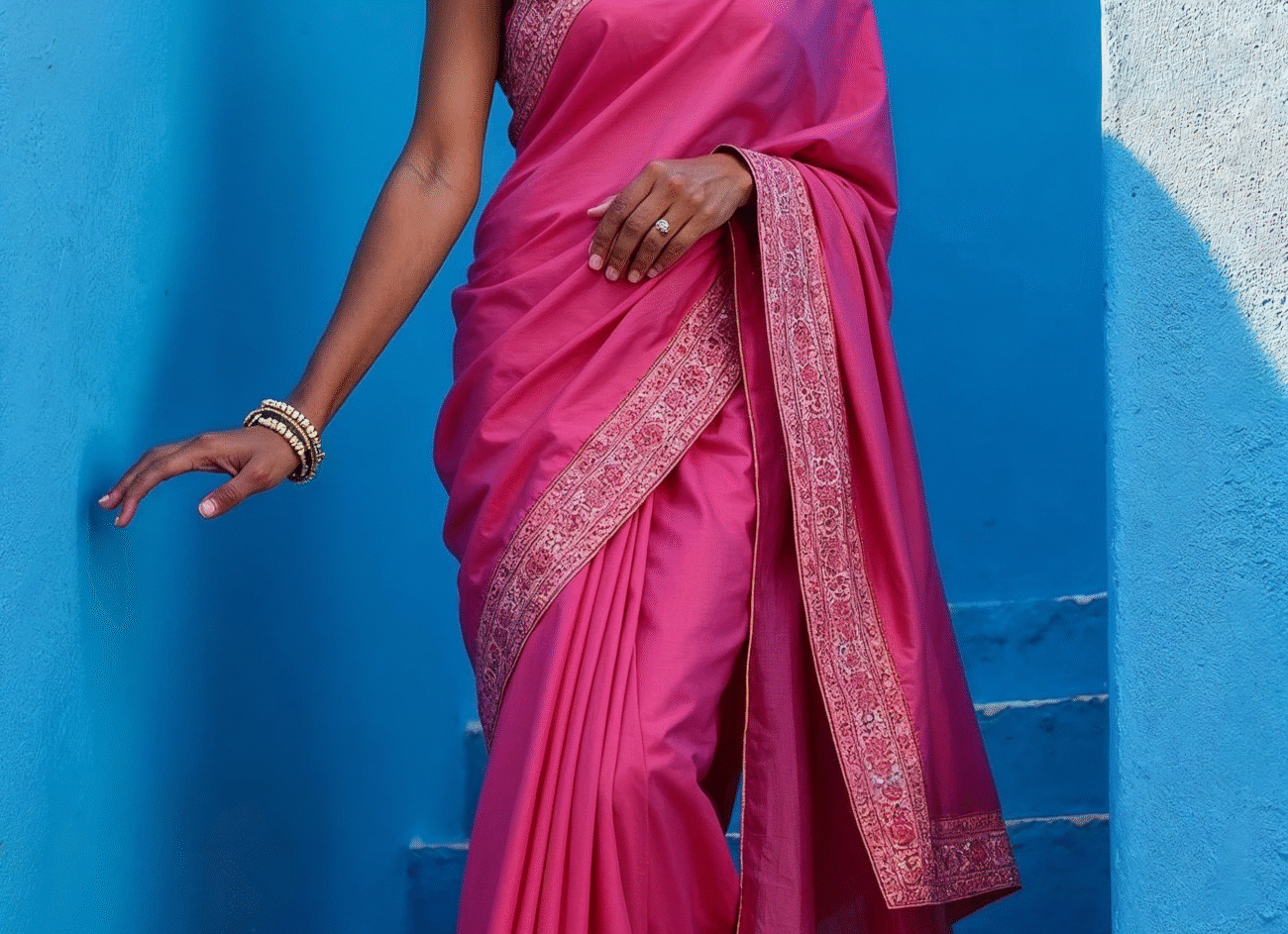
The sari is more than just a garment — it is a timeless symbol of grace, culture, and heritage that has been worn for thousands of years across South Asia. In Nepal and India, the sari is deeply woven into the fabric of tradition, representing elegance, identity, and artistry. At Nepali Chino, we celebrate the sari not just as clothing, but as a living story passed down through generations.
A Glimpse into History
The origins of the sari trace back over 5,000 years, with references found in ancient scriptures, sculptures, and paintings. The word “sari” comes from the Sanskrit word śāṭī, meaning a strip of cloth. Traditionally, the sari is a long, unstitched fabric — usually between 5 and 9 yards — draped around the body in a way that enhances both beauty and modesty. Over centuries, the sari evolved into countless regional styles, each reflecting local culture, climate, and craftsmanship.
Cultural Significance
A sari is often more than attire; it is a part of life’s most cherished moments. From weddings and religious ceremonies to festivals and family gatherings, saris hold a special place in South Asian traditions. Each color, pattern, and fabric can carry meaning — red symbolizing prosperity and love for brides, white representing purity and simplicity, and gold threadwork signifying celebration.
Artistry in Every Thread
What makes a sari truly unique is the craftsmanship behind it. Many are handwoven by skilled artisans, sometimes taking weeks or even months to complete. From Banarasi silk with its rich metallic threads to soft cotton saris perfect for summer, each piece is a work of art. Regional varieties — like Dhaka saris from Nepal, Kanjeevaram from South India, or Bandhani from Rajasthan — showcase diverse weaving and dyeing traditions.
Modern Style with Traditional Roots
While the sari remains a traditional outfit, its styling has evolved to suit modern tastes. Women today pair saris with contemporary blouses, belt them for a chic look, or mix fabrics for fusion fashion. Whether worn in the classic Nivi drape or in experimental silhouettes, the sari continues to embody elegance while adapting to changing times.
Why We Love the Sari at Nepali Chino
At Nepali Chino, we take pride in offering saris that carry both heritage and modern appeal. Each sari in our collection is carefully sourced or crafted to ensure authenticity, quality, and beauty. We work closely with artisans to keep traditional weaving alive while making these treasures accessible to the world.
The sari is not just a garment — it is a story of culture, craftsmanship, and timeless style. When you wear a sari, you wear history, artistry, and the spirit of generations before you.

0 Comments
This is exactly what i was looking for, thank you so much for these tutorials
It would be great to try this theme for my businesses
This is exactly what i was looking for, thank you so much for these tutorials
It would be great to try this theme for my businesses